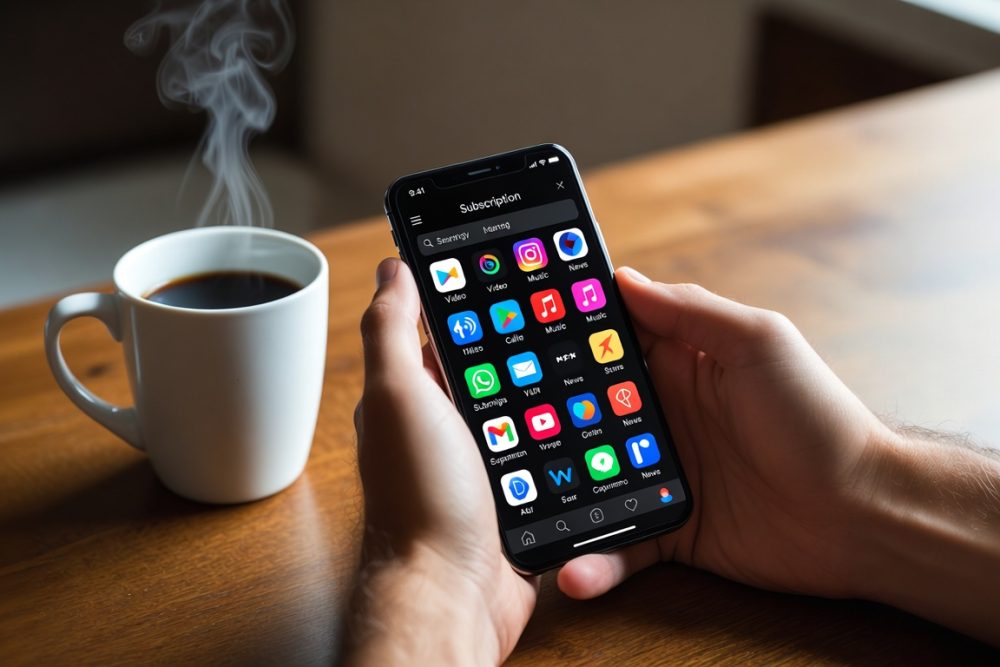
The average American pays for 4–6 subscriptions they either forgot about or barely use. Canceling them takes 30 minutes — and the savings show up next month.
The Subscription Economy’s Dirty Secret
Subscription businesses are engineered around one behavioral truth: people hate canceling things. The process is often buried in settings, requires calling a number, or involves enough friction that most people just let the charge keep happening. That friction is by design — and it costs you money every single month.
The average American household spends $273/month on subscriptions according to recent surveys. Most people estimate they spend $86/month. That gap is one of the most consistent financial blind spots in personal finance.
Find Every Subscription in 15 Minutes
Open your bank and credit card apps and search transaction history for: “subscription,” “monthly,” “annual,” “premium,” “plus,” “pro.” Also scroll through the last 90 days looking for any charge that repeats. Make a list. Don’t cancel yet — just list them all with their amounts. Most people are surprised by what they find.
Common Forgotten Subscriptions
- Free trials that converted to paid
- Old streaming services from a show you watched once
- Cloud storage upgrades from years ago
- Magazine or newsletter subscriptions
- Amazon Subscribe and Save items you no longer need
- App subscriptions for games or utilities
- Gym or fitness app memberships
- Duplicate VPN or password manager services
- Meal kit services paused but still charging
The Cancellation Priority System
Rate each subscription on a 1–3 scale: 1 = use it weekly, 2 = use it occasionally, 3 = haven’t used it in 30+ days. Cancel all 3s today. No negotiation with yourself. You haven’t used it in a month — that’s the data. Cancel.
For 2s, pause instead of canceling where possible. Many services allow a 1–3 month pause. If you miss it, reactivate. If you don’t notice, cancel permanently next month. For 1s, keep them — but check if there’s a lower-cost tier that covers 90% of what you actually use.
How to Cancel Services That Make It Difficult
The Call-to-Cancel Trap
Services that require a phone call are hoping you won’t bother. When you call, you’ll often be connected to a retention specialist offering discounts. If you genuinely want to save the subscription at a lower rate, take it. If you actually want to cancel, say: “I appreciate that, but I’d like to cancel today. Can you process that for me?” Be friendly but firm.
Annual Subscriptions You Already Paid For
Don’t lose the money you’ve already paid. Set a reminder 30 days before the renewal date and cancel then. You get the service through the period you’ve paid for and don’t get charged again.
Free Trials
If you’re signing up for a free trial of anything, set a calendar reminder for 2 days before the trial ends. Decide then whether to keep it. Don’t wait until you see the charge — by then you’ve often already paid for the first month.
What to Do With the Money You Save
This is the critical step most people skip. The day after canceling, transfer the amount you freed up to savings. Not next month — today. If you canceled $65/month in subscriptions, transfer $65 to savings today. This makes the saving real and immediate rather than theoretical.
The Subscription Audit Repeat Schedule
Set a recurring calendar event: “Subscription audit” — once every six months. This takes 20 minutes and consistently saves $40–$100 each time you do it, because new subscriptions accumulate steadily and old ones sneak back in. Alternatively, use a free service like Rocket Money to get automatic alerts when new recurring charges appear.
Cancel These First
- Any subscription not used in 30+ days
- Duplicate services
- Free trials approaching conversion dates
- Annual subscriptions 60+ days from renewal: cancel now, use through period
- Apps downloaded for a specific purpose that’s now resolved
Disclosure: This site may receive compensation when you click on links or complete offers through our partners. Content is for informational purposes only and does not constitute financial advice.