Your electric bill has fat in it — and most of it can be trimmed with changes that take minutes, not months. Here’s what actually moves the number.
Why Energy Bills Stay Higher Than They Should
Energy companies are required to send you a bill, but they’re not required to tell you how to lower it. Most households have 5–10 specific habits or appliance situations that are inflating their electric bill — and most are entirely fixable without spending significant money.
The average U.S. household electric bill is around $130–$150/month. With focused effort, most households can trim 15–25% through behavioral and low-cost equipment changes — saving $20–$40/month without affecting quality of life.
The Biggest Energy Users in Your Home
- Heating and cooling (HVAC): 40–50% of the bill
- Water heater: 14–18%
- Lighting: 9–12%
- Appliances (refrigerator, washer, dryer): 10–15%
- Standby/phantom loads (everything plugged in but off): 5–10%
The fastest savings come from targeting HVAC, water heating, and phantom loads — in that order.
Quick Fix 1: Adjust Your Thermostat 7–10 Degrees — Saves $10–$20/Month
The Department of Energy consistently shows that adjusting your thermostat 7–10 degrees for 8 hours per day — while asleep or away — saves about 10% on heating and cooling. A programmable thermostat costs $25–$30 and pays for itself in 1–2 months.
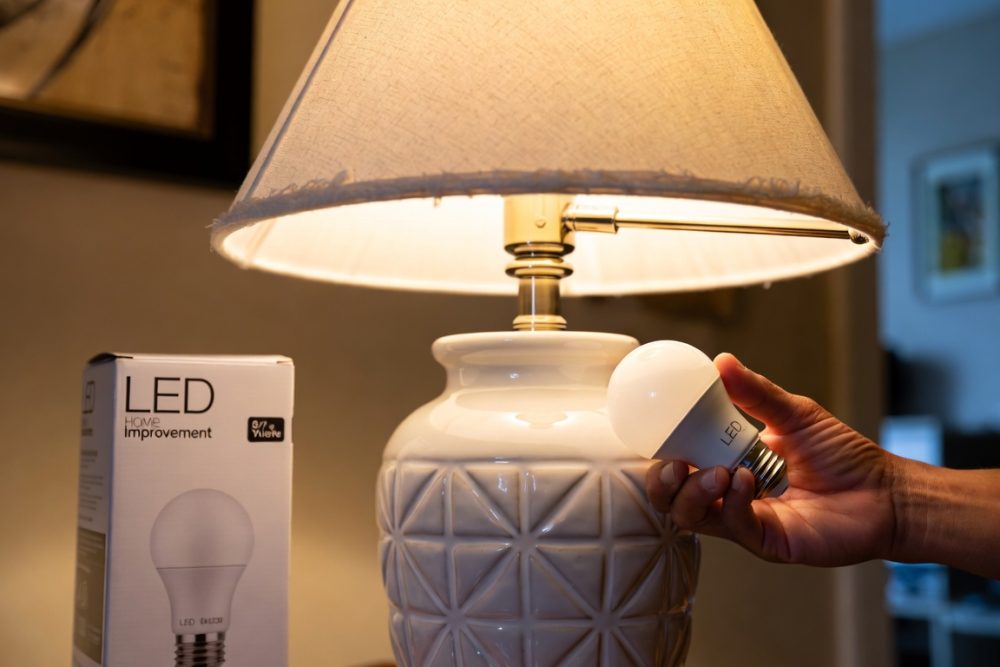
Quick Fix 2: Switch to LED Bulbs in Your Top 5 Fixtures — Saves $5–$15/Month
LED bulbs use 75% less energy than incandescent bulbs and last 15–25 times longer. Replace the bulbs in your five most-used light fixtures. You don’t need to do the whole house immediately. A pack of 6 LED bulbs costs $8–$12. Payback period: under 60 days.
Quick Fix 3: Eliminate Phantom Loads — Saves $5–$12/Month
Standby power accounts for an average of 5–10% of household electricity. This includes televisions, game consoles, cable boxes, phone chargers, desktop computers, and microwaves. Fix: plug your entertainment center into a smart power strip and switch it off at the strip when not in use. Unplug phone chargers when not charging. Use your computer’s sleep mode aggressively.
Quick Fix 4: Run Appliances During Off-Peak Hours — Saves $5–$15/Month
Many utility providers charge different rates based on time of day — higher during peak demand hours (typically 4–9 PM) and lower during off-peak times (nights and weekends). Running your dishwasher, washing machine, and dryer during off-peak hours costs less money for the same work. Check your utility bill or call your provider to ask if you’re on a time-of-use rate plan.
Quick Fix 5: Lower Your Water Heater Temperature — Saves $3–$8/Month
Most water heaters are set to 140°F from the factory. The Department of Energy recommends 120°F — hot enough for comfort and hygiene, but 10–15% more efficient. Find your water heater, locate the thermostat dial on the front panel, and turn it down to 120°F. Two minutes of work.
Quick Fix 6: Seal Air Leaks — Saves $10–$30/Month
Heated and cooled air leaking out of your home is pure wasted energy. Common leak points: window and door frames, electrical outlets on exterior walls, where pipes enter the wall, and the attic access panel. A tube of weatherstripping costs $4. A roll of foam tape costs $3. Sealing the most obvious leaks takes 2–3 hours and can reduce HVAC usage by 5–15%.
Quick Fix 7: Use Ceiling Fans Correctly
Ceiling fans have a direction switch — counterclockwise in summer creates a cooling downdraft, clockwise in winter on low speed pushes warm air down from the ceiling. In winter mode, fans can allow you to lower the thermostat 2–3 degrees without reducing comfort, saving meaningful energy year-round.
Request a Free Energy Audit
Most utility companies offer free home energy audits where a professional inspects your home and identifies the highest-impact efficiency improvements. Call your utility provider and ask if this service is available. The audit itself costs nothing, and the resulting savings often run $20–$50/month when the top recommendations are implemented.
Quick Fixes — Start Today
- Set thermostat 7°F lower at night
- Replace 5 most-used bulbs with LED
- Plug entertainment center into a power strip and switch off nightly
- Shift dishwasher/laundry to evening or weekend
- Turn water heater down to 120°F
- Seal obvious window and door gaps with foam tape
- Call utility company and request free energy audit
Disclosure: This site may receive compensation when you click on links or complete offers through our partners. Content is for informational purposes only and does not constitute financial advice.