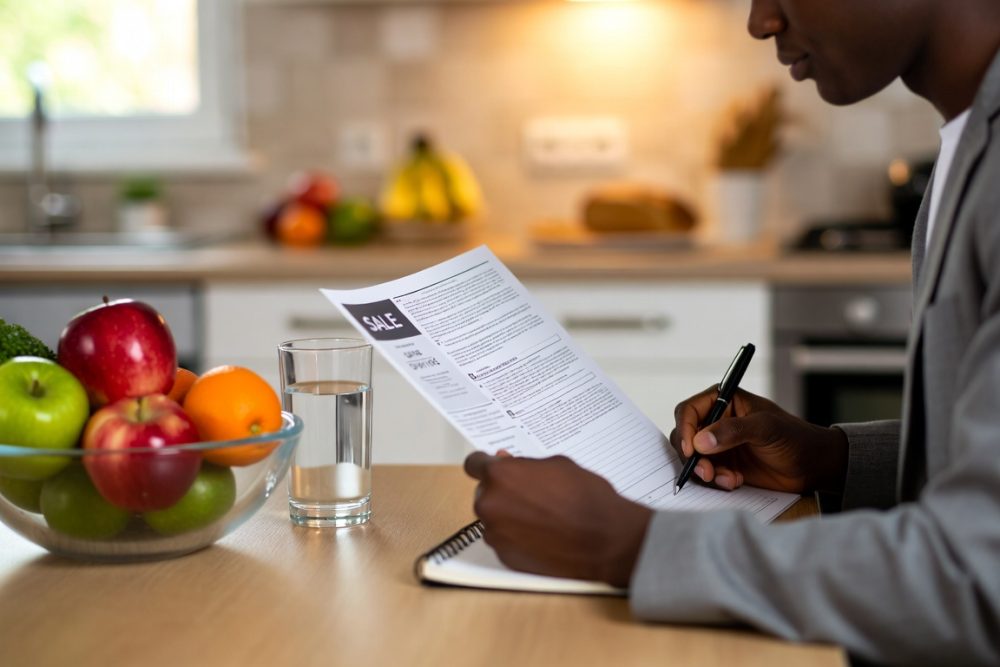
Groceries are one of the few budget categories where you have real-time control. These strategies start working the moment you implement them.
The Grocery Bill Is Not Fixed
Unlike rent, a car payment, or an insurance premium, your grocery bill is a choice you make multiple times a week — at the store, at the checkout, and when you open delivery apps. This makes it one of the most responsive budget categories: changes you make today show up in your bank account this week.
The average American household of four spends $900–$1,200/month on food. Most could achieve the same nutrition at $600–$750 with intentional shopping habits. Here’s how to close that gap, starting with your next grocery trip.
Before You Shop: The List System
Build a Master List
Keep a running grocery list on your phone (Notes app, any list app, it doesn’t matter). Add items as you run out during the week rather than trying to remember everything at once. A real-time list eliminates the twin problems of forgetting things (leading to a second trip) and buying things you already have (wasted money).
Plan Three to Four Meals Before You Shop
You don’t need a full week of planned meals. You need three or four dinner ideas and a rough idea of breakfast and lunch. Write down what you’ll make, list the ingredients you don’t already have, and that becomes your shopping list. This eliminates the “I don’t know what to make so let’s order delivery” problem at least three nights a week.
Check the Weekly Ad First
Every major grocery chain publishes weekly deals online and in their app. Spend 5 minutes reviewing these before making your meal plan, and build 1–2 meals around what’s on sale. Buying protein (chicken, beef, fish) when it’s on sale rather than at full price saves 25–40% on your most expensive grocery items.
At the Store: Tactics That Work
Always Check the Unit Price
The sticker price is almost meaningless without the unit price — the cost per ounce, per pound, per count. Grocery stores are legally required to display unit prices on the shelf tag. Bigger is not always cheaper, and name brands are almost never a better unit price than store brands for equivalent products. Always look at the unit price before deciding between sizes or brands.
Buy Proteins on Sale and Freeze Them
Meat and fish are the most expensive grocery items for most households and also the most sale-able. When chicken breasts go from $4.99/lb to $1.99/lb, buy more than you need for this week and freeze the rest. A chest freezer or deep freezer — often available used for $50–$100 — pays for itself in 2–3 months of sale buying.
Substitute Cheaper Protein Sources
Eggs, dried beans, lentils, canned fish (tuna, sardines, salmon), and tofu provide equivalent nutrition to meat at a fraction of the cost. Building 2–3 weekly meals around these protein sources — not eliminating meat, just supplementing — can reduce your protein costs by 40–60%. A can of chickpeas costs $0.89 and provides the protein equivalent of a significant portion of chicken that costs $3–$4.
The Frozen Vegetable Swap
Fresh vegetables are wonderful — and they go bad. Frozen vegetables are nutritionally equivalent to fresh (often superior, as they’re frozen at peak ripeness), they last for months, and they cost 30–60% less per serving. For cooked applications — stir fries, soups, casseroles — the difference in final dish quality is negligible. Swapping fresh for frozen on cooked vegetables saves $20–$40/month for a family of four.
The Waste Problem (and Its Solution)
The USDA estimates that the average American household wastes 30–40% of the food they purchase — roughly $1,300 per year. Reducing food waste is functionally the same as reducing your grocery bill. The strategies:
- Store items correctly so they last longer (a quick search for any produce item + “how to store” will solve most problems)
- Move older items to the front of the fridge, newer items to the back
- Designate a weekly “leftover night” where dinner is assembled from the week’s food that needs to be used
- Freeze anything that won’t be used before it expires: bread, cheese, cooked proteins, bananas, many leftovers
Cutting your food waste in half — from 35% to 17% — is equivalent to getting two weeks of free groceries per month.
The Delivery Trap
Food delivery adds 40–80% to the cost of a meal when you factor in delivery fees, service fees, and tips. A $15 restaurant meal becomes $24–$28. If you order delivery twice a week, that’s $200–$400/month above what the food itself costs.
The goal isn’t to eliminate delivery — it’s to make it intentional. Set a monthly delivery budget ($50–$80 for most households is reasonable). When it’s spent, you cook. This constraint naturally reduces frequency while keeping the option available for nights when it genuinely makes sense.
Grocery Cost Quick Actions
- Start a running shopping list on your phone right now
- Check weekly store ad before your next shopping trip
- Plan 3–4 dinners before you shop
- Switch 3 fresh vegetable purchases to frozen equivalents
- Buy one protein on sale this week and freeze what you won’t use immediately
- Set a monthly delivery budget and track it
- Designate one weekly “use what’s in the fridge” leftover night
Disclosure: This site may receive compensation when you click on links or complete offers through our partners. Content is for informational purposes only and does not constitute financial advice.